Introduction—Why It Pays to Know the Common Mistakes
Driving is a great experience; however, it comes with responsibilities. Establishing a foundation of safe driving habits at the beginning of your journey is very important; if a learner driver makes mistakes while learning to drive, he or she will develop bad habits that will last for many years. Learner drivers who pay attention to the rules of the road, perform mirror checks, watch other drivers, and practice proper gear, brake and steering control can also develop the confidence necessary to drive safely in Sydney's congested traffic. Small errors, including incorrectly estimating gaps between vehicles, failing to signal, and hesitating when entering an intersection, can all lead to an accident or require multiple attempts to pass the driving test.
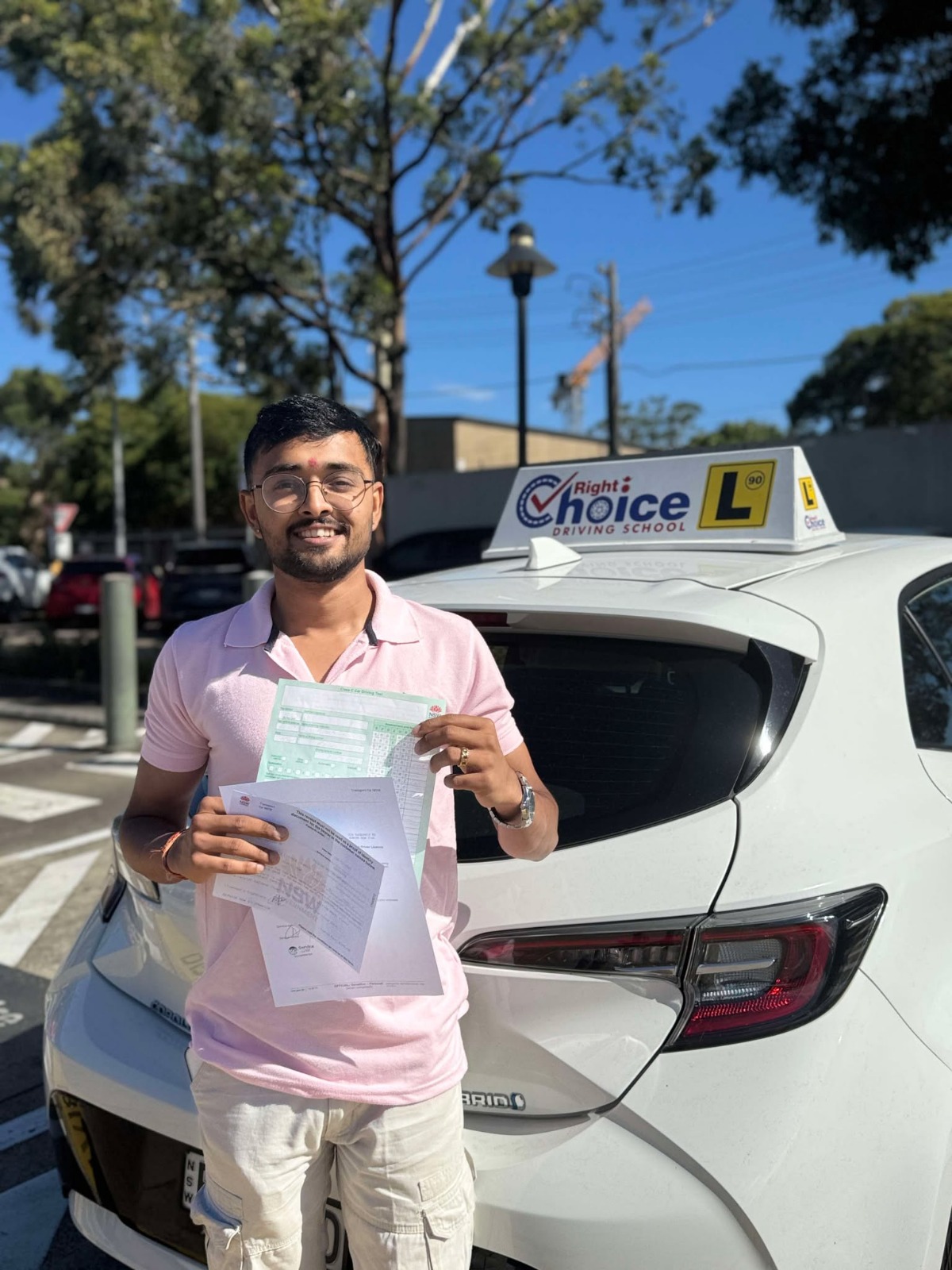
When you are aware of the common mistakes made by learner drivers, you can avoid those same mistakes and grow into a proficient driver who passes his or her driving test more quickly. Being aware of these common mistakes before you get behind the wheel is your first step in becoming a safe and responsible driver. In this guide, you will learn about the common mistakes learner drivers make in Sydney, understand why these mistakes occur, and receive some practical advice on how to avoid making these mistakes.
Mistakes During Driving Lessons and Practice Sessions
As a learner driver, you may have made some mistakes while practising your skills. Sydney can present unique challenges for learner drivers due to its busy roadways, roundabouts, and complex intersections. As such, many learner drivers commit avoidable errors during their practice sessions, which can hinder their skill development or create unsafe driving conditions for others on the road. By understanding these common errors, you will be able to increase your skill level and confidence.
Not checking mirrors and blind spots properly
One common mistake learners make when learning to drive is not checking their mirrors and blind spots. This mistake is especially dangerous in Sydney traffic when an instructor attempts to schedule a learner to change lanes or merge, and the learner fails to see another vehicle or cyclist. Learners who regularly check their mirrors and look over their shoulder for blind spots will be safer drivers.
Over-relying on instructor prompts—not thinking ahead
Instructors can hinder their learners' ability to make independent decisions, as learners may become overly dependent on their instructors. Thus, learners must develop a habit of anticipating traffic situations, learn the rules of the road, and anticipate the movements of other vehicles in order to be confident drivers.
Poor clutch and brake control (stalling, jerky starts/stops)
Smooth operation of the clutch and brake is a skill that learners can find challenging. Learning to operate the clutch and brake smoothly will help prevent excessive stalling and jerky movements, which are frequent in urban and suburban driving.
Hesitation or overcautiousness at intersections/roundabouts
While caution is good, excessive hesitation at intersections and roundabouts can cause confusion and create dangerous conditions for other drivers. Learning good timing and right-of-way rules will be invaluable for driving safely in Sydney's highly congested traffic.
Sydney Roads Mistakes: City & Suburbs Specific
Driving in Sydney poses a number of unique challenges. Learner drivers in Sydney consistently make mistakes that cause confusion, increase delays, and, in some cases, result in motor vehicle accidents. By knowing what to look for when driving, learner drivers can reduce confusion and build confidence when navigating the roads of Sydney.
Misjudging traffic flow and speed in busy areas like the CBD
Driving in Sydney is stressful for learners due to the constant changes in traffic and unfamiliar road conditions. Many learners misjudge other vehicle speeds or distances and will often have to make a sudden stop or merge into an adjacent lane in an unsafe manner. It is important to look carefully at traffic patterns and plan ahead for changes.
Incorrect lane changes or failure to signal on multi‑lane roads
Multi-lane roads are common in Sydney and across much of Australia. Drivers can become confused and increase the risk of accidents when they do not signal or select the correct lane to drive in. Check your mirrors and blind spots at all times, and signal your intention to change lanes to help other drivers anticipate your actions.
Underestimating pedestrians and cyclists (common in Sydney)
Pedestrians and cyclists are everywhere in Sydney, particularly in areas close to schools, parks, and busy streets. Many learners are not aware of how much space pedestrians and cyclists require and do not pay attention to them. When driving near pedestrian crossings, you should always be on the lookout and slow down to allow pedestrians and cyclists to pass safely.
Ignoring local road rules (bus lanes, loading zones, peak‑hour restrictions)
Sydney has many specific road rules that drivers should be aware of, including bus lanes, loading zones, and peak-hour restrictions. If you disregard these rules, there is a risk that you could receive a fine or be involved in a dangerous situation. It is essential for learners to know the locations of these signs and the local road regulations to keep themselves and other road users safe and legally on the road.
Mistakes You Make During the Driving Test
Taking a driving test in Sydney can be very stressful for learners, even those who have practised extensively. Many learners make common mistakes that could easily be avoided if they were adequately prepared and aware of the testing process. Knowing where most learners tend to make errors will help you stay calm, focused, and confident when taking your driving test.
Nervous Errors: Many learner drivers become anxious when taking their driving test. This anxiety causes the driver to make mistakes, such as failing to check their mirrors or signal appropriately. Regularly practising driving while staying calm will help prevent many of these errors.
Failure to Observe: Many learner drivers struggle to observe vehicles around them at intersections and to give way to traffic correctly. Learner drivers often miss oncoming traffic or fail to adequately observe every intersection they approach. If they do this, they may put themselves in a dangerous situation that could adversely affect their ability to pass their driving test.
Overthink Complex Manoeuvres: If learner drivers overthink complex manoeuvres such as three-point turns, reversing, and parallel parking, they may appear less confident. If learner drivers practice these manoeuvres until they feel natural, they will have greater confidence during their driving test.
Speed and Distance Judgments: Maintaining the proper speed and a safe distance from other motorists is essential. Many learner drivers will make mistakes when gaps in traffic arise, driving too slowly or too quickly, which can result in being penalised or being placed in a dangerous situation.
Some Errors Related to Driving Attitude & Preparation
Most learner drivers are eager to take their driving test without having spent sufficient time gaining driving experience. Lack of experience makes learner drivers more nervous about making errors and reduces their confidence while driving. Learner drivers must spend more time driving in different conditions to learn how to operate a vehicle in the real-world traffic conditions safely.
Learner drivers must exercise caution when operating a motor vehicle in adverse weather conditions such as rain and heavy traffic (especially peak hours) because failure to exercise caution may lead to inaccurate distance judgement: either too close to other vehicles, and collective traffic flow or a slippery road surface. Practicing driving in different weather conditions and traffic situations will help prepare for the challenges of driving safely.
Being overly confident or easily distracted can be harmful to learner drivers driving through busy streets; ie; phones, loud music and distracted attention, can result in missed signals, late stopping or accidents happening. Remaining focused and calm while driving enables you to operate your vehicle safely and successfully pass your driving test.
How to Avoid These Mistakes: Tips for Learner Drivers
It might be tough to learn how to drive in Sydney as a new driver, but the sooner you develop good habits, the safer and more confident you'll become when driving. Below are several practical tips to help you avoid the most common driving mistakes and be successful on your driver's test.
- Be diligent about regularly checking your mirrors and blind spots: Every time you change lanes or merge, make it a habit to check both your mirrors and your shoulders for blind spots.
- Practice driving during real traffic situations in Sydney; experience driving in different environments, city/town/country; drive during peak traffic to learn about the different traffic environments.
- Learn how to use the clutch, brake and park. Spend time perfecting starting and stopping smoothly and practises turning and parking before you feel comfortable doing it for the first time.
- Become familiar with driving schools and the rules of the road in Sydney. For example, loading zones, bus lanes, and peak-hour restrictions.
- Stay calm and focused. Eliminate distractions. Pay attention, have a plan, focus, and develop good driving skills to build your safe driving practices.
Conclusion
Driving in Sydney is an exciting new chapter for learners. Every driving experience offers something new for the driver to learn about traffic control, time management, and situational awareness. Making mistakes will help the learner grow and gain confidence behind the wheel. Through practice and good habits, the learner will be prepared not only to pass the driver's test but also to be a responsible driver for the rest of their life. Each stop and careful manoeuvre through Sydney will help build an experience that eventually leads to a complete understanding of safe driving.